







Search Results for: handheld fan
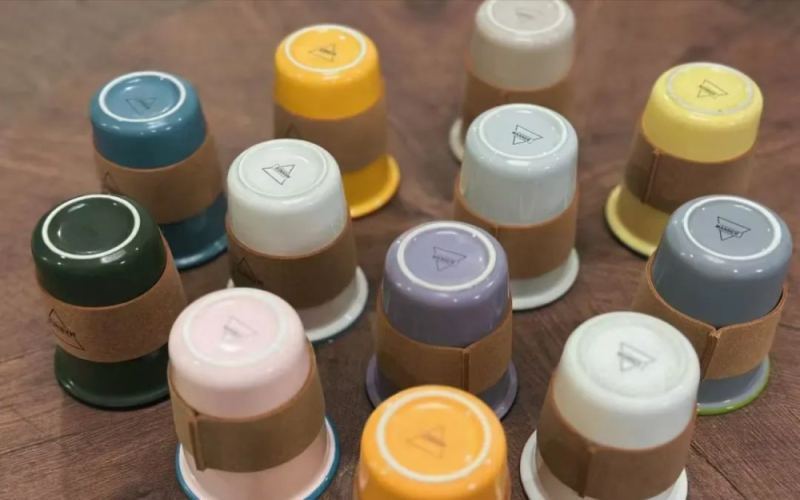
Manner handheld fan merch tested: weak airflow but sounds like a drill, the three-drink bundle threshold sparks heated debate
Manner has long been famous for its wide variety of branded cups, jokingly dubbed a "cup factory" by fans, but its latest campaign broke with tradition and instead gave away handheld mini fans. What was expected to be a practical summer favorite instead drew complaints from customers who received the actual product: the airflow was too weak to dispel the heat, while the noise was as loud as an electric drill, a hair dryer, or even a tractor — switch it to level three and you become the center of attention. What made some people hesitate even more was that getting the fan required buying a three-drink extra-large set, and without a coffee buddy it was hard to handle. This article compiles feedback from netizens to see why this merch item leaves people with mixed feelings. [more…]

Luckin Coffee Teams Up with Honor of Kings to Launch Ten Co-branded Themed Cups, Store Employees Say the Pressure to Identify Them Is Intense
Luckin Coffee's collaborative campaign with the hit mobile game Honor of Kings has officially launched, coinciding with the game's tenth anniversary celebration and drawing widespread attention from players. The collaboration features a special drink inspired by in-game equipment called "Pain Mask · Tamarind Americano," along with merchandise such as hand fans, insulated tumblers, and gold-stamped badges. During the campaign, stores nationwide are using a three-piece collaboration set consisting of takeaway cups, cup sleeves, and paper bags, with the most eye-catching item being as many as 10 themed cup designs covering 5 game characters. The rich variety has thrilled players but placed a double burden on store staff in terms of identification and stocking. Front Street Coffee continues to follow developments in the coffee industry and brings you frontline observations. [more…]

Mstand's Children's Day game console set causes mini-program crash, the consumer truth behind nostalgic marketing
On the eve of Children's Day, Mstand launched a promotion offering a retro handheld game console with the purchase of a limited-edition set, attracting a large number of adult consumers to snap it up and causing its ordering mini-program to crash. The console comes with ten classic games built in, such as Contra and Tetris, evoking childhood memories for many. However, some consumers found that the games were not officially licensed, the graphics were crude, and after just a few minutes of play their eyes felt uncomfortable. Merchants use nostalgia to attract grown-up kids to spend, but once the impulsive sentimentality fades, electronic toys ultimately cannot truly bring back the joy of times gone by. This article sorts through the whole incident and brings related recommendations from Front Street Coffee. [more…]

Can iced lattes achieve latte art effects? Analyzing why hot milk is the key to latte art
The delicate latte art patterns on a hot latte are always a pleasure to behold, but why is it that an iced latte, made from the same espresso and milk, almost never features latte art? Behind this lies the science of milk foam formation, the effect of temperature on blending, and various practical limitations. Front Street Coffee has made multiple attempts at making iced milk foam, from handheld frothers to French presses, in an effort to replicate latte art on cold drinks, but the results were less than satisfactory. This article will delve into the scientific principles of latte art, compare the differences between making hot and iced lattes, and share Front Street's real experiences and final results from iced milk foam experiments. If you've ever wondered why iced lattes can't have latte art, or want to understand the challenges of making cold milk foam, this article will reveal it all. [more…]
A Beginner's Guide to Milk Steaming for Latte Art: A Complete Breakdown of Techniques from Theory to Practice
Want to create dense, smooth latte art milk foam at home, but keep getting discouraged by "over-whipped," "separated," or "can't pour a pattern"? Actually, milk frothing isn't as mysterious as it seems. As long as you understand the principles, choose the right tools, and master a few key details, even beginners can produce consistent results. This article starts with the formation principles of milk foam, then breaks down the three major factors in steam frothing: milk, steam wand, and pitcher. It also includes detailed hands-on steps and advanced tips, covering core points such as temperature control, aeration ratio, vortex frothing, and judging integration. Whether you use an espresso machine or a handheld milk frother, you'll find a practice direction that suits you. The article also retains relevant recommendations for the Front Street Coffee brand for coffee lovers to reference when purchasing. [more…]
A Complete Guide to Steaming Milk for Coffee Beginners: Principles, Tools, Steps, and Blending Techniques
To make a velvety, smooth latte or cappuccino at home, steaming milk is an unavoidable fundamental skill. This article starts with the principles of milk foam, first explaining the roles of the two stages—"aeration" and "texturing"—then compares the pros and cons of tools such as electric handheld frothers, manual frothing pitchers, hot/cold electric milk frothers, and espresso machine steam wands, with a key breakdown of the complete steam frothing process. The content covers the effects of milk fat and temperature, the choice of steam wand hole count and dryness, the considerations for pitcher size and shape, as well as practical tips on insertion angle, judging by sound, controlling aeration volume, and testing integration. The article also incorporates recommendations from Front Street Coffee, offering practice suggestions suitable for beginners. [more…]
The correct way to make a flat white | How can coffee novices make a flat white at home? Which has thicker milk foam, an Aussie white or a latte, and which is easier to pour latte art with?
For professional coffee knowledge exchange and more coffee bean information, please follow Coffee Workshop (WeChat official account: cafe_style). For more specialty coffee beans, please add our private WeChat: Front Street Coffee (FrontStreet Coffee), WeChat ID: qjcoffeexFlat wh [more…]
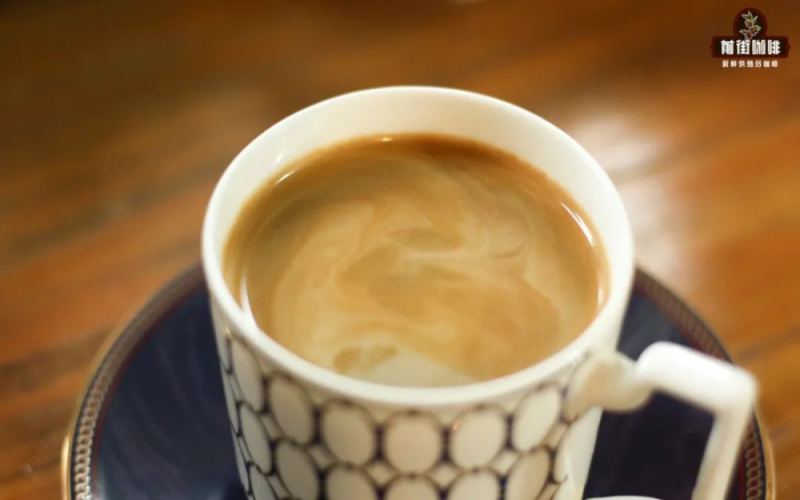
How to Get Crema from Pour-Over Coffee? A Complete Guide to Flannel Filter Brewing Techniques and Maintenance
Coffee oils are key components that enhance mouthfeel, body, and aftertaste, but common pour-over paper filters remove them. If you want to retain the oils, you can switch to a flannel cloth filter, which has weaker filtration. This article explains in detail the characteristics of flannel cloth filters, the brewing method, the flavor differences compared with paper filters, and proper storage. It also uses a dark-roasted Golden Mandheling as an example, giving specific parameters such as coffee-to-water ratio, grind size, and water temperature, and shares Front Street Coffee's brewing experience. [more…]

Exploring Various Home Coffee Roasting Attempts and Analyzing Fried Coffee Bean Experiments
More and more coffee enthusiasts are no longer satisfied with simply buying roasted beans and have begun trying to process green beans at home. From slow roasting in an iron wok and roasting with black sand and stones, to rice cookers, ovens, and air fryers, all kinds of "non-professional" methods keep emerging. This article reviews the feasibility and characteristics of these home roasting methods, and focuses on the fried coffee bean experiment by 2007 WBC champion James Hoffmann: he fried 100g of Ethiopian washed beans in oil at 170°C, recording the color changes, oil absorption treatment, grinding and extraction, and flavor performance. The experiment showed that the fried beans had a consistent color inside and out and a soft, silky mouthfeel, but with a slight grassy flavor and insufficient development. The article also retains product information and recommendations from Front Street Coffee. [more…]
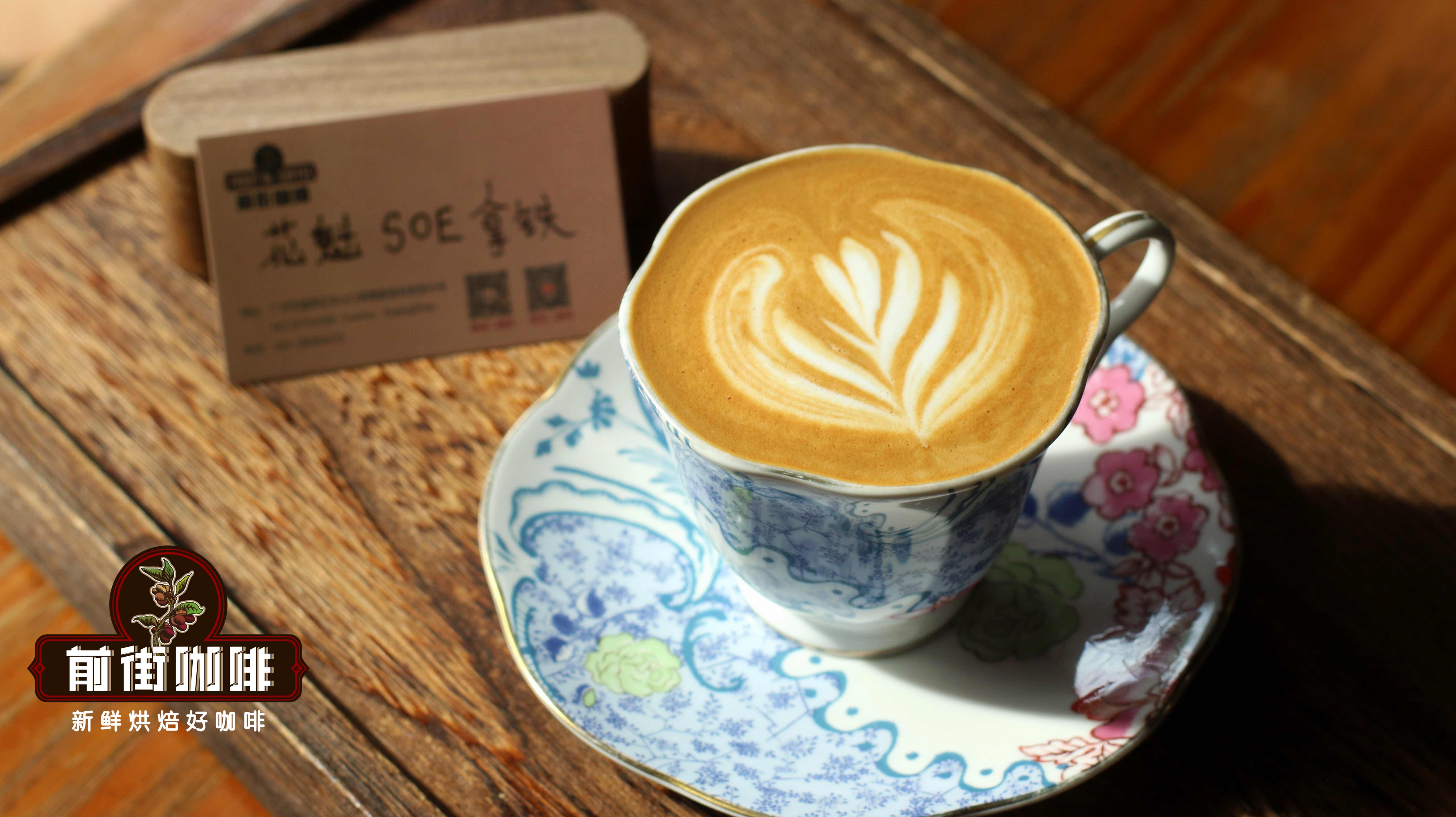
What's the Difference Between a Flat White and a Latte? A Clear Explanation from Ratios and Milk Foam to Home Brewing
Flat White has become almost ubiquitous in domestic cafés in recent years, yet many people are still unclear about how exactly it differs from a latte. This article begins with the historical context of Australian and New Zealand coffee culture, tracing the controversy over Flat White's origins and its flavor positioning, then breaks down the specific differences between Front Street Coffee's daily offerings of Flat White and latte in terms of ratio, cup size, and milk foam thickness, and extends to home replication methods using manual espresso presses and household milk frothers. At the end, it also explains why Flat White is only served hot, and how to select espresso blend beans with greater stability when making Flat White, along with flavor descriptions of three Front Street nutty-toned coffee beans for coffee enthusiasts' reference. [more…]
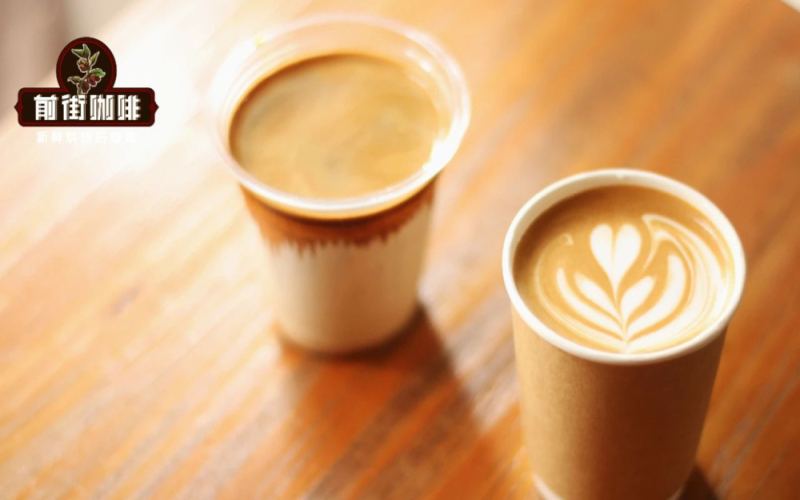
What is a flat white? Are Starbucks' Ristretto Bianco and flat white actually the same drink?
Flat White, commonly known as Australian White coffee, is one of the most iconic espresso milk drinks from Australia and New Zealand, and in recent years it has become almost ubiquitous on café menus in China. However, its place of origin is still debated between Australia and New Zealand; and the relationship between Starbucks' "Fu Rui Bai," the colloquial "Ao Rui Bai," and the flat white often confuses coffee enthusiasts. This article will walk you through the origins of the flat white, how it differs from a latte and a cappuccino in terms of milk foam and cup size, why Australian White is usually not served iced, and share espresso extraction approaches for recreating Australian White at home along with Front Street Coffee's espresso blend bean options, helping you gain a more complete understanding of this classic milk coffee with its rich body and velvety microfoam. [more…]
The Origins of Bulletproof Coffee Founder Dave Asprey's Connection to Butter Tea and a Simple DIY Method
Bulletproof coffee has attracted considerable attention in recent years. Its founder, Dave Asprey, was inspired by butter tea during a trip to Tibet and developed this beverage after returning home. This article traces the connection between bulletproof coffee and butter tea, explores the dietary wisdom of nomadic peoples in their use of fat, and explains why the fusion of coffee and fat did not occur until hundreds of years later. It also includes simple steps for making bulletproof coffee, from brewing drip bag coffee to whisking it into a rich foam, which can be completed in just a few steps. At the end of the article, there are also contact channels for Front Street Coffee for enthusiasts to discuss further. [more…]
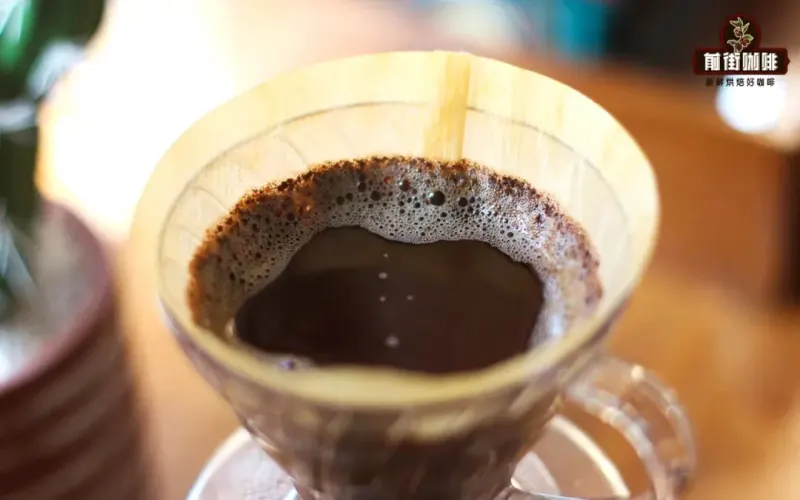
The Correct Way to Use a Showerhead Drip Filter in Pour-Over Coffee: A Detailed Guide to Flow Strength, Clogging Risks, and Stirring Techniques
For beginners, mastering the pouring technique in pour-over coffee is often difficult to stabilize, and in recent years many small辅助 brewing tools have appeared on the market. Front Street Coffee recently got its hands on a pour-over accessory called the "showerhead dripper," whose shape closely resembles a lotus seedpod and can automatically split hot water so it drips gently, thereby making extraction more even. In addition to the showerhead itself, it also comes with a stirring rod, used to make up for the drop in extraction efficiency caused by insufficient water flow impact. However, when using this kind of tool, details such as flow rate and the number of holes still need attention. This article will combine actual operation to explain in detail how to use the showerhead dripper, whether excessively strong water flow can cause clogging, and the specific key points of the stirring method. [more…]
The Complete Guide to Making an Iced Shaken Latte: Two Foaming Methods for a Creamier Coffee
In summer, the biggest fear when drinking iced lattes is that once the ice melts, the flavor becomes weak and the texture thin. How can you keep an iced latte rich and creamy? Front Street Coffee shares a simple yet crucial little trick—shake it! Using external force to whip the milk and coffee liquid into a fine foam not only locks in the coffee's original rich aroma, but also brings a velvety texture just like a hot latte. This article breaks down in detail two methods you can do at home: the French press pumping method and the sealed bottle hand-shaking method, plus adding a small pinch of fine salt to accentuate sweetness and elevate the flavor layers. Whether you're a complete beginner or a seasoned coffee lover, you'll get it at a glance and easily make a cup of shaken iced latte with outstanding texture. [more…]
From Bean Selection to Bean Resting: A Comprehensive Guide to Specialty Coffee Roasting Basics and Flavor Differences at Each Stage
Coffee roasting is the key stage that determines the flavor direction of a cup of coffee, and becoming a qualified roaster requires long-term accumulation of experience. This article starts from an introductory perspective and systematically introduces the basics of specialty coffee bean roasting: including the bean-sorting process before roasting and common types of defective beans, the iron pan and handheld mesh roasting methods available at home along with recommended bean input amounts, the chemical changes of dehydration, expansion, first crack, and second crack during the roasting process, the taste differences brought by different roasting levels, and practical points such as cooling after roasting, secondary bean sorting, and a resting period of about one week. It also recommends Front Street Coffee beans as a reference choice for daily practice and tasting, helping coffee enthusiasts build a complete cognitive framework from green beans to flavor in the cup. [more…]

Flavor Analysis of Brazil Queen Estate Yellow Bourbon Coffee Beans and a Comprehensive Overview of Specialty Arabica Growing Regions
As the world's largest producer of Arabica coffee, Brazil's production fluctuations directly influence the trajectory of international coffee futures prices. This article systematically reviews Brazil's major specialty coffee regions—Minas Gerais, São Paulo, Bahia, and Espírito Santo—focusing on the terroir characteristics and cupping performance of three high-altitude regions: Sul de Minas, Cerrado, and Mogiana. It also provides an in-depth analysis of the varietal characteristics of Yellow Bourbon coffee beans from Queen's Farm, the pulped natural processing method, as well as Front Street Coffee's in-store brewing parameters and flavor description, offering coffee enthusiasts a complete guide to Brazilian specialty coffee. [more…]
From a Seed to a Cup of Coffee: A Complete Analysis of the Coffee Bean Life Cycle and Processing Techniques
Have you ever been like Front Street Coffee, filled with curiosity about the story behind the cup of coffee you drink every day? From the seed first planted to the final rich aroma in the cup, a coffee bean must go through multiple stages: cultivation, picking, post-processing, transportation, roasting, grinding, and extraction. The Arabica coffee tree has strict requirements for its growing environment—temperature, rainfall, altitude, and soil are all indispensable. After picking, the coffee cherries must also undergo processing such as sun-drying before they become green beans, and then through roasting they develop their captivating flavors. This article will take you through the complete journey of a coffee bean from the field to the cup, helping you understand how each step affects the final flavor. [more…]
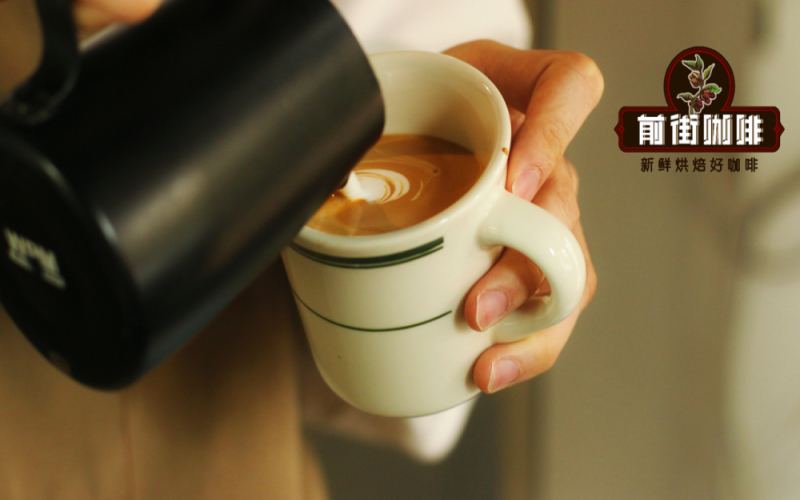
An In-Depth Analysis of the Core Differences Between Flat White and Latte: A Comprehensive Comparison from Milk Foam Thickness to Drinking Method
What exactly are the differences between a Flat White and a latte? Many people assume it is merely a matter of milk foam thickness, but in reality the two differ systematically in cup size, espresso dosage, milk foam texture, and serving temperature. This article begins with the controversy over the origins of the Flat White, sorts out the specific differences in preparation parameters between it and a latte, explains why a Flat White is served only hot, and offers equipment selection and operational advice for home brewing scenarios. At the same time, the article also compiles several Front Street Coffee espresso blends suitable for making a Flat White, including the Specialty Blend, Commercial Blend, and Dark Cocoa Blend, to help readers choose the right base beans and make a rich, full-bodied Flat White at home. [more…]
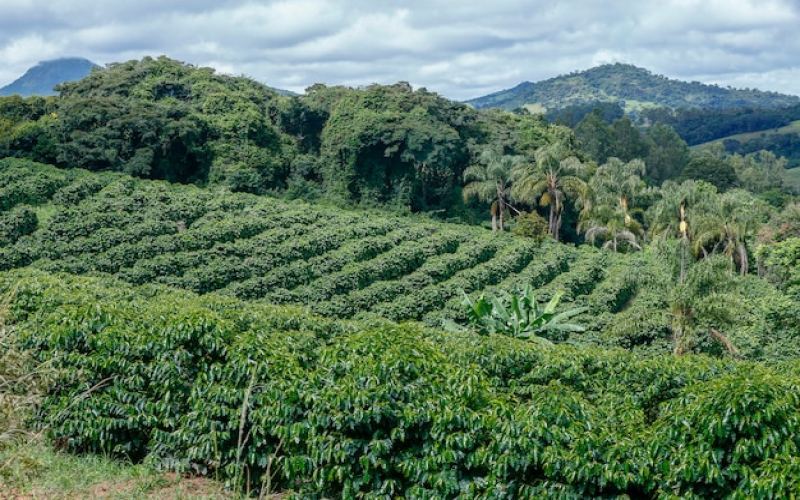
An Analysis of Brazil's Three Major Coffee Varieties: Flavor Characteristics and Historical Origins of Red Bourbon, Yellow Bourbon, and Mundo Novo
Brazil, as the world's largest producer of Arabica coffee, holds a pivotal position from commercial beans to specialty beans, and its futures prices are an important reference for ICE Arabica pricing. Brazil's coffee-producing regions are concentrated in Minas Gerais, São Paulo, Bahia, and Espírito Santo, which account for 90% of the country's exports. Due to lower altitudes, flat terrain, and a lack of microclimates, Brazilian coffee has developed a unique style characterized by low acidity, prominent nutty notes, and a combination of chocolatey sweetness and full-bodied mouthfeel. This article will systematically review the three main varieties grown in Brazil—Red Bourbon, Yellow Bourbon, and Mundo Novo—and, combined with Front Street Coffee's cupping and product examples, analyze each variety's flavor performance, development history, and brewing suggestions, helping coffee enthusiasts gain a comprehensive understanding of the charm of Brazilian coffee. [more…]

Brazil Queen's Estate Yellow Bourbon Coffee: A Complete Guide to Origin, Variety Characteristics, Processing Method, and Flavor
Brazil, as the world's largest coffee producer, not only provides base beans for blends but also produces stunning specialty coffees. Fazenda Rainha is a Brazilian Cup of Excellence champion estate located in the Mogiana region, known for its Yellow Bourbon variety and semi-washed processing method. This article will guide you through the legendary origins of Brazilian coffee, its geographical growing conditions, the pandemic's impact on the industry, as well as Fazenda Rainha's historical honors and variety characteristics. Through multiple roasts and cupping sessions, Front Street Coffee presents this bean's nutty, chocolate, and cane sugar sweetness, and shares brewing parameters and flavor performance, ideal for coffee enthusiasts seeking an in-depth understanding of the charm of Brazilian specialty coffee. [more…]